


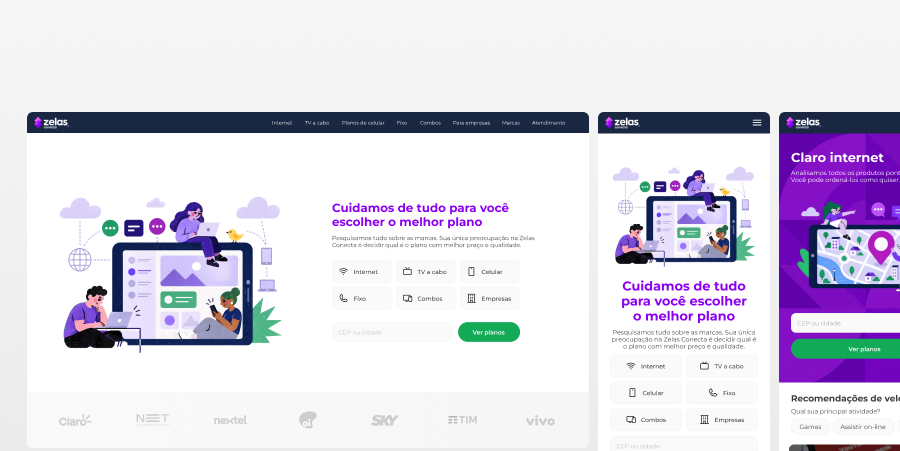
Business Challenge
After years of working as a partner to Brazil’s largest telecom operators, we had a problem: Escale urgently needed to reduce its business dependency on telecom companies.
This was a project where I worked as both Product Designer Lead and Product Manager.
Discovery
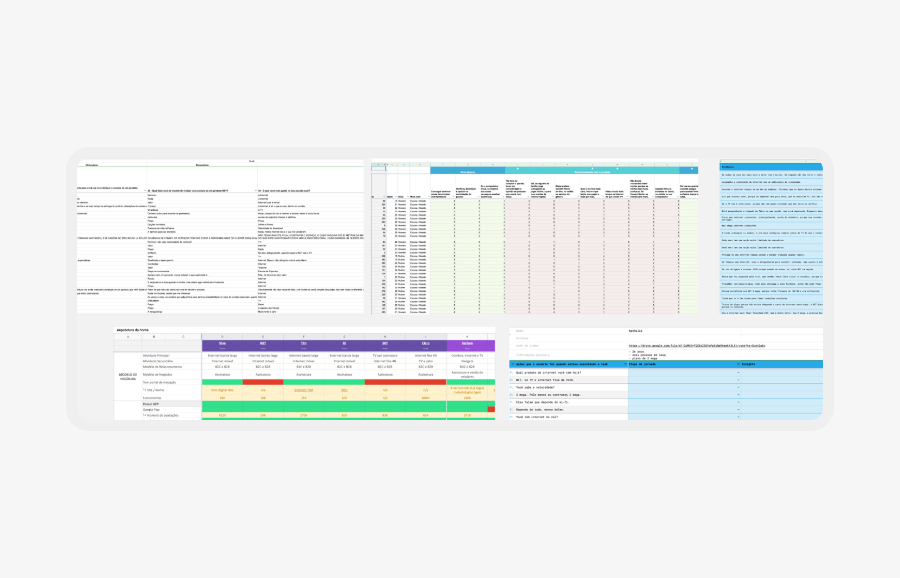
With a clear business objective, we started with desk research, bringing together everything we already knew about telecom users.
With the business objective clearly defined, we conducted:
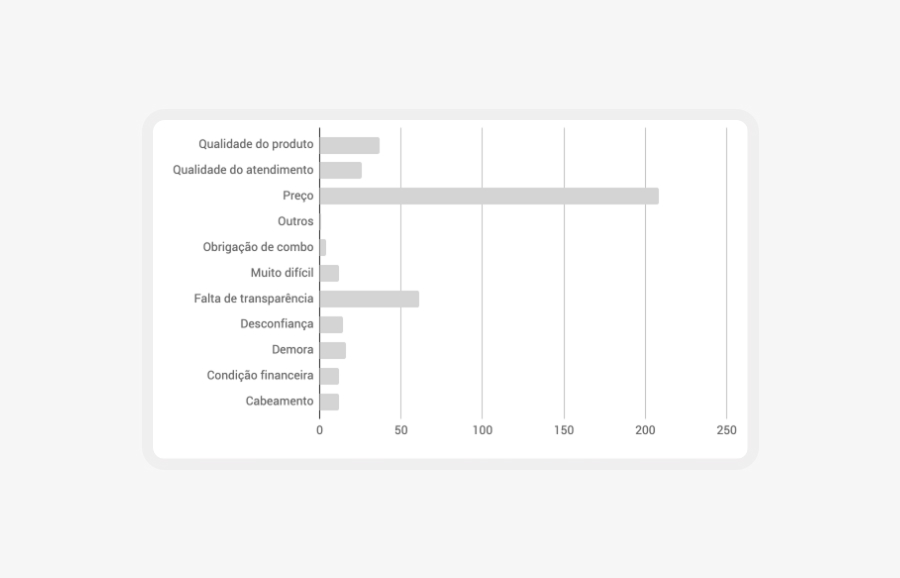
Price and lack of transparency stood out as the biggest problems in the research and purchasing journey.
Design Sprint
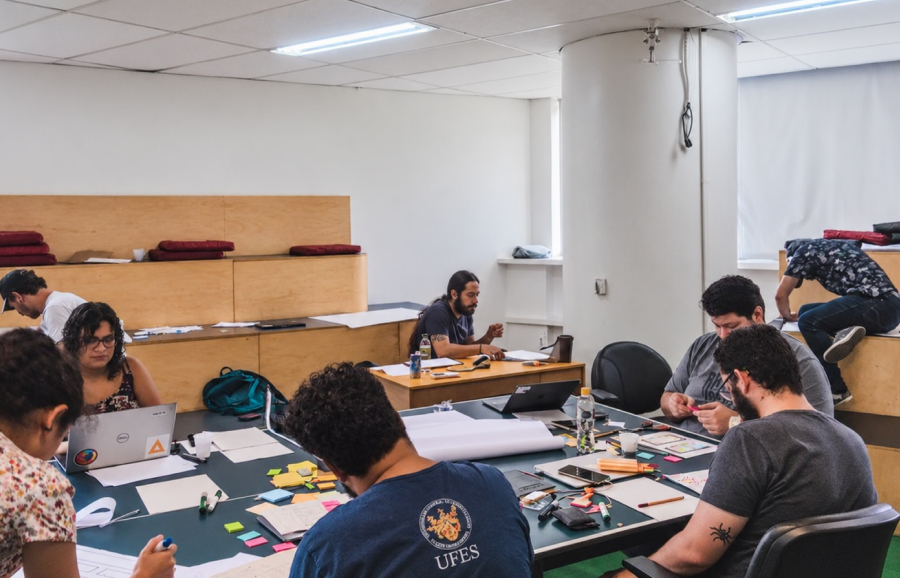
We decided that running a Design Sprint would be the fastest way to generate ideas and test them. I brought all the insights from the previous phase, along with a few people who had gathered relevant data on the subject.
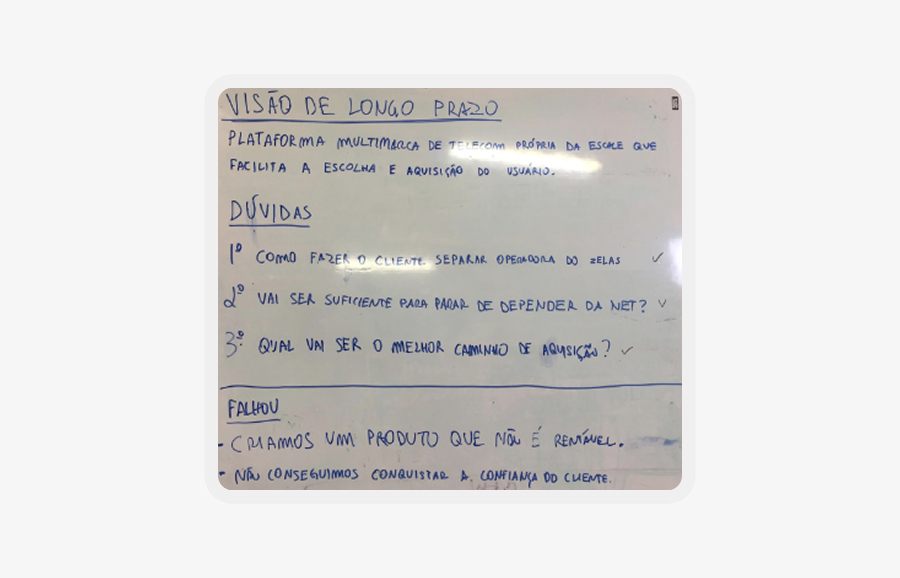
We worked on our product vision, with transparency as one of the core principles.
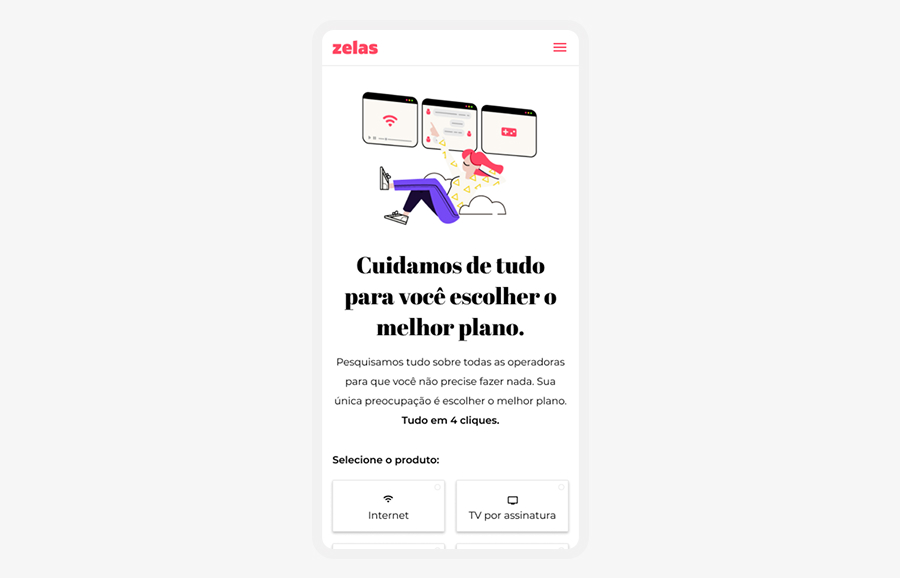
The result was a telecom plan comparison platform focused on complete transparency around pricing and conditions.
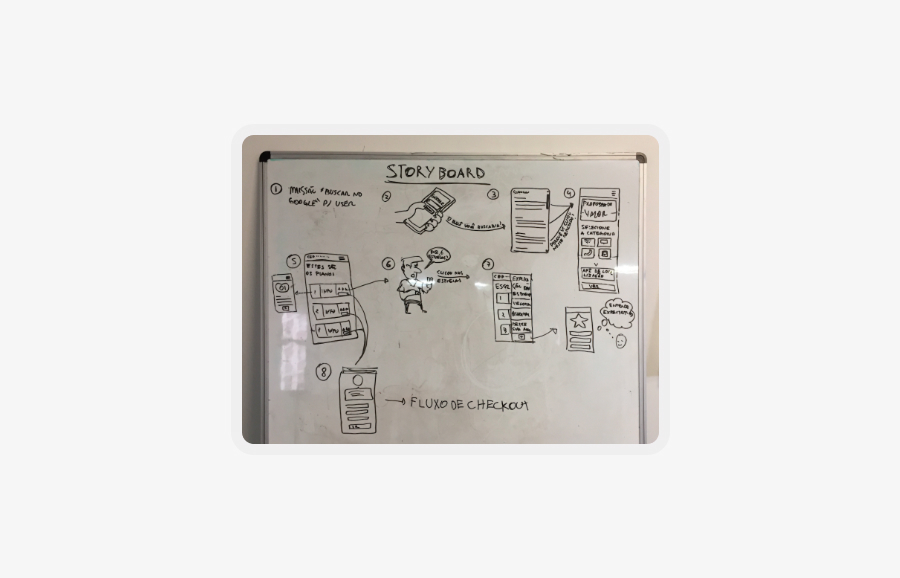
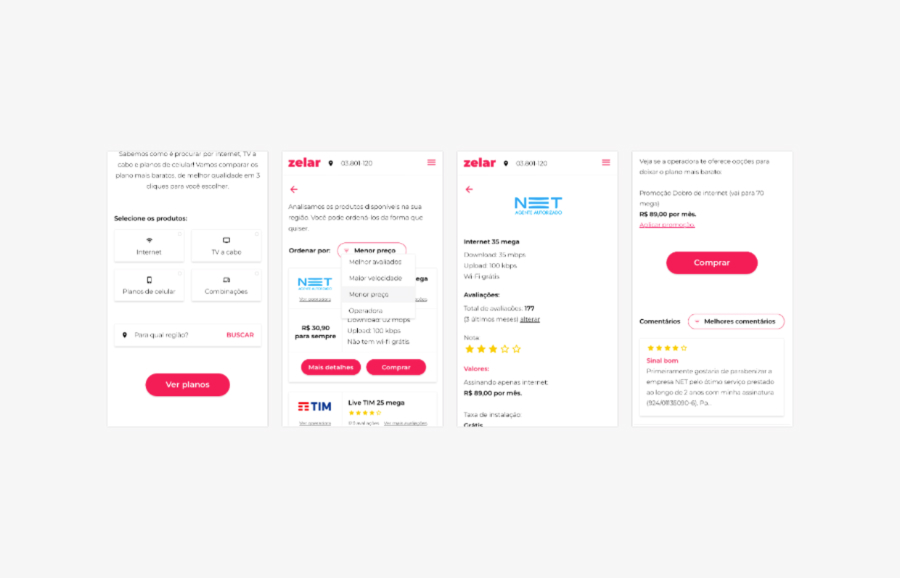
I defined the participant profiles, recruited users, and ran two rounds of user testing. In the second round, 5 out of 5 participants associated the product with convenience and transparency, and 5 out of 5 felt confident purchasing through the platform.
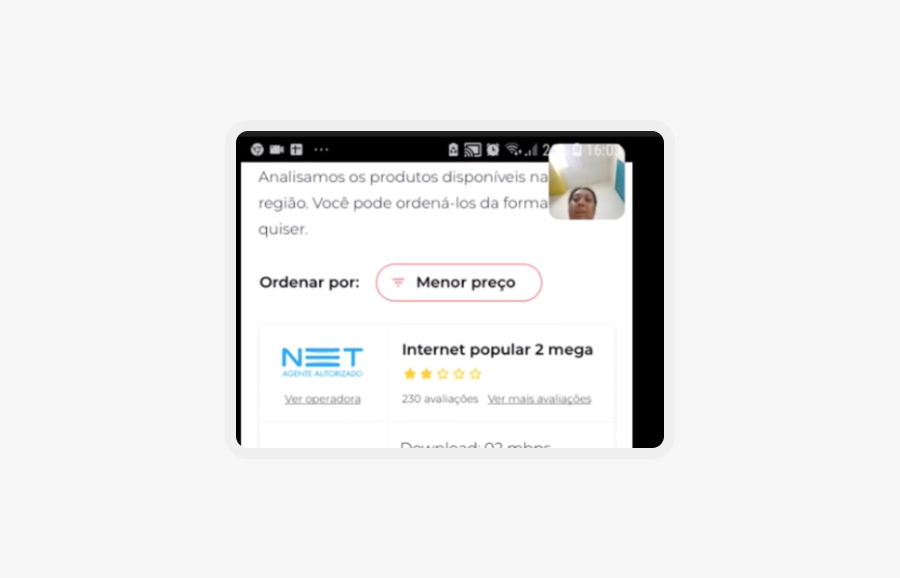
By the end of the Design Sprint, we had delivered:
MVP
What was the minimum experience we could deliver that still represented our value proposition, and how could we learn from it?
MVP:
From this --------------------------------------------------------------------------------------------------------> to this
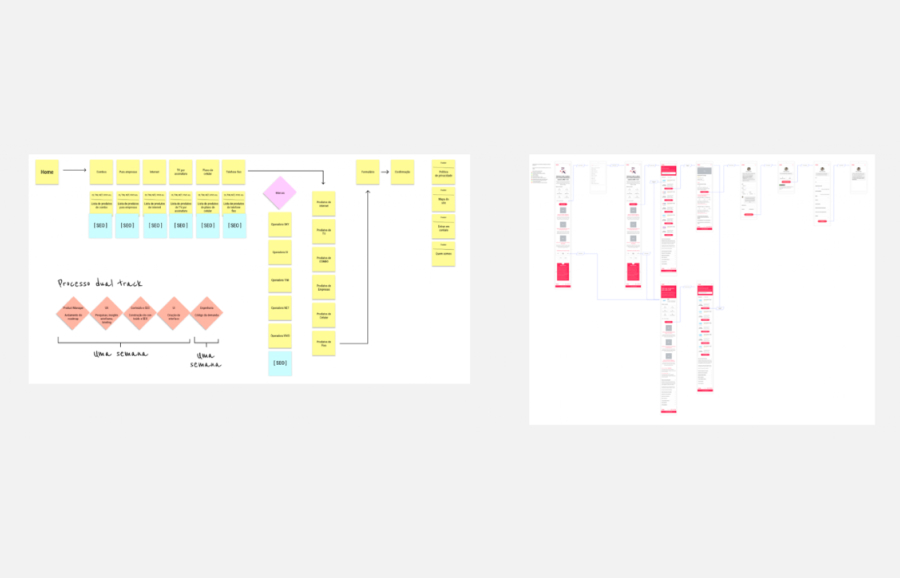
We built the basic experience around a set of hypotheses we needed to validate:
"Will people purchase through a telecom plan comparison platform?"
"Do visitors to the platform have high purchase intent?"
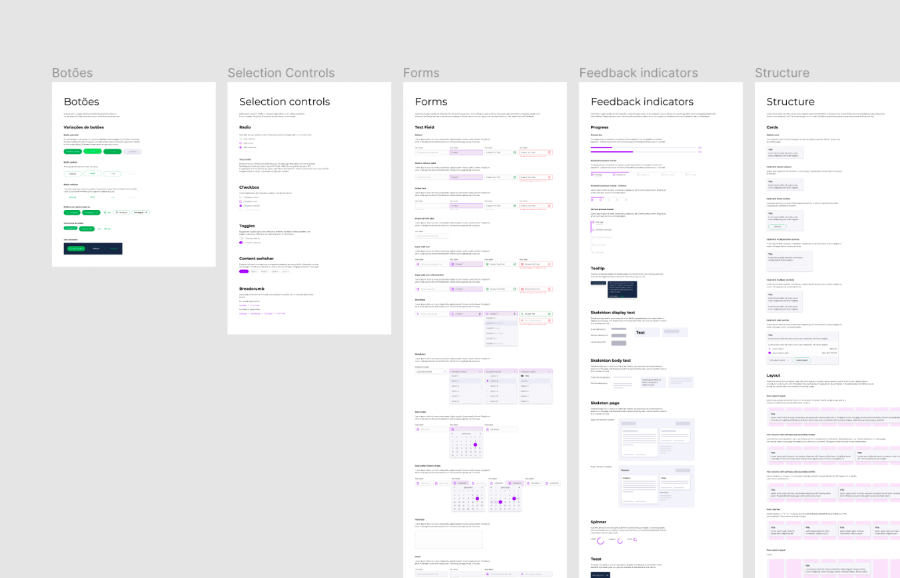
Design System
We created the design system together with the design team, working closely with the front-end guild and the UX chapter.
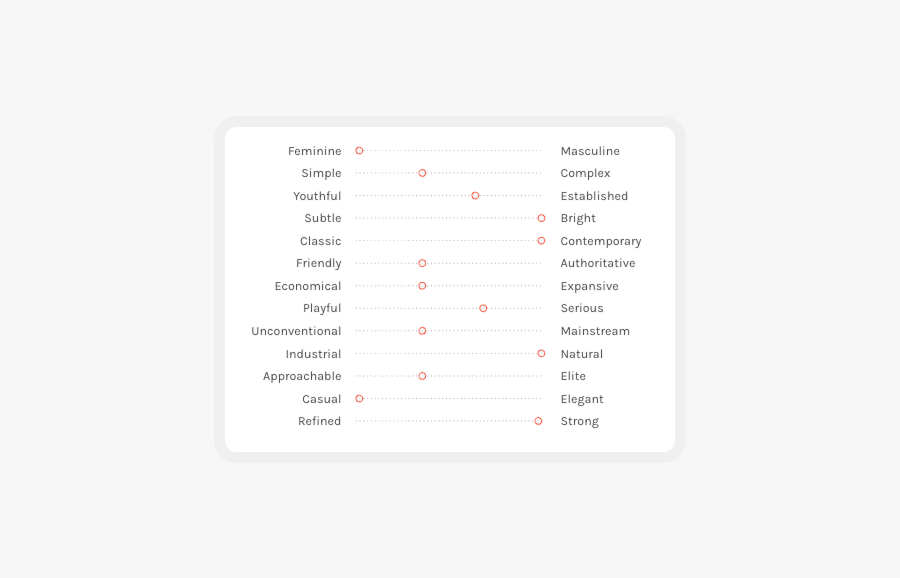
Visual refinement
We redesigned pages that had not yet received proper design treatment, using heatmaps, session recordings, and usability tests as input. The new versions already incorporated the new visual identity and the components from the design system.
Purchase Experience
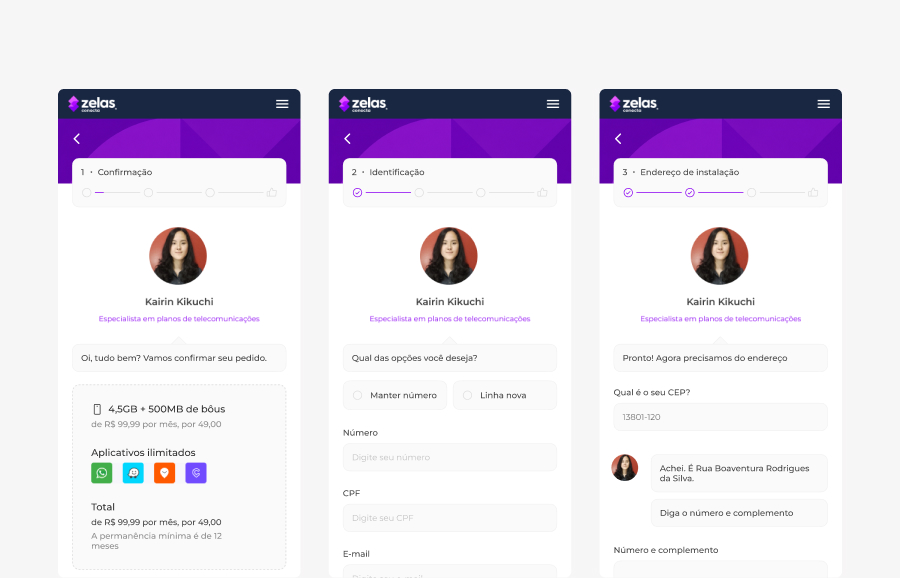
After comparing plans, the next step in the user journey was the purchase itself.
1 - Digital purchase experience
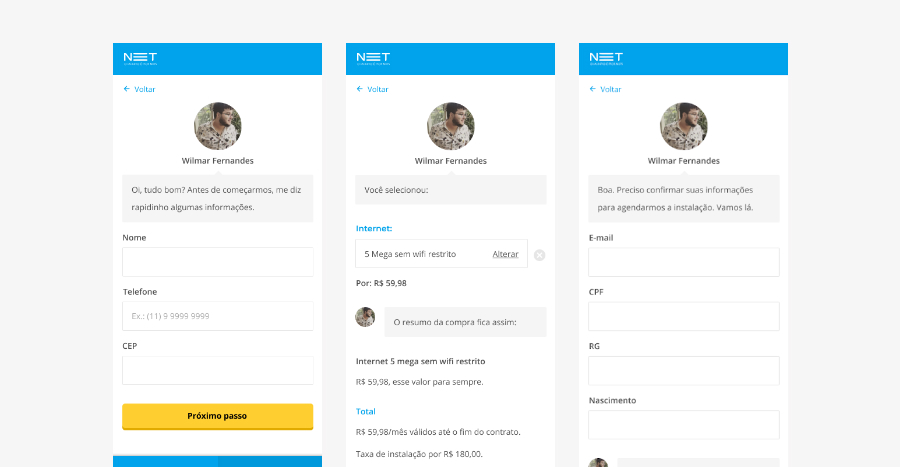
2 - Purchase experience through the call center
Jobs to be done
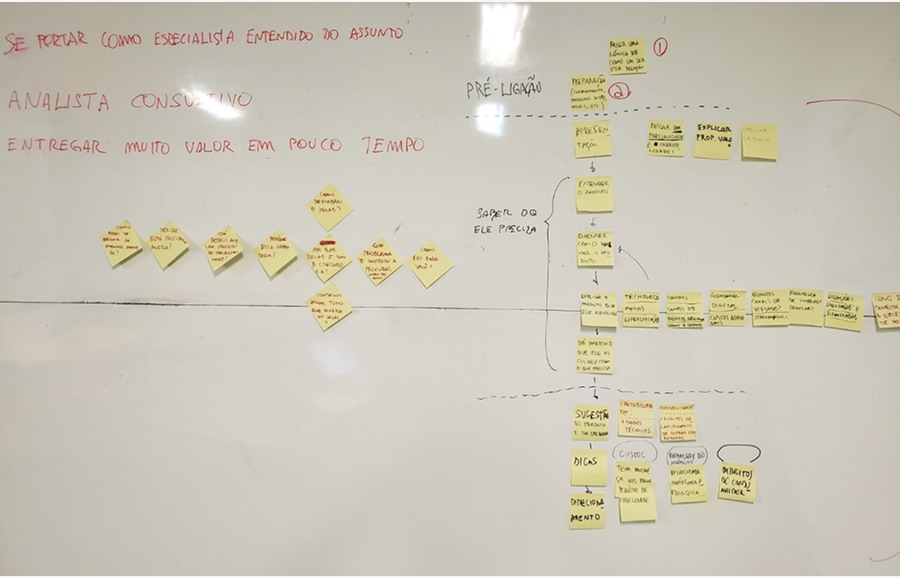
Another interesting initiative was applying Jobs to Be Done theory to advertising.
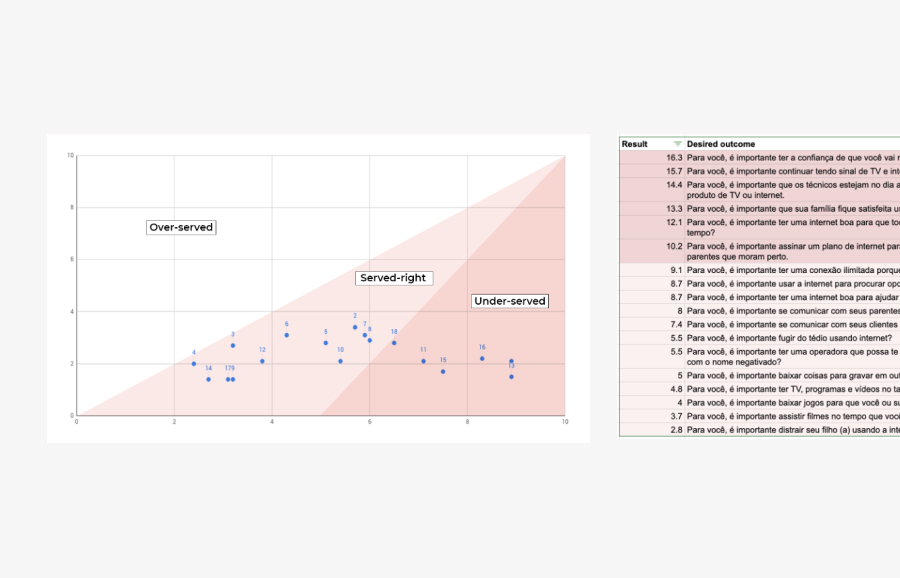
The first step was interviewing nine people and identifying their desired outcomes. In other words, what jobs were they trying to accomplish when hiring a telecom service?
We identified 18 different desired outcomes. I then ran a survey to quantitatively understand:
This allowed us to identify desired outcomes that were largely underserved by the market.
Results
We had three main goals:
We achieved all three targets, turning the product into a strategic advantage for Escale.
Legacy
Due to contractual restrictions with telecom operators, Zelas Conecta later became a website called Portal de Planos.
The comparison model developed for Zelas was then replicated by Escale in the healthcare market, which led to the creation of Zelas Saúde.
Later, Zelas Saúde was spun off and sold by Escale as an independent company, generating millions in returns for the company.